Emergency Calls in Patrol Compton
Call types, priority response, radio habits, badge progress, and safe scene work for Compton patrols.
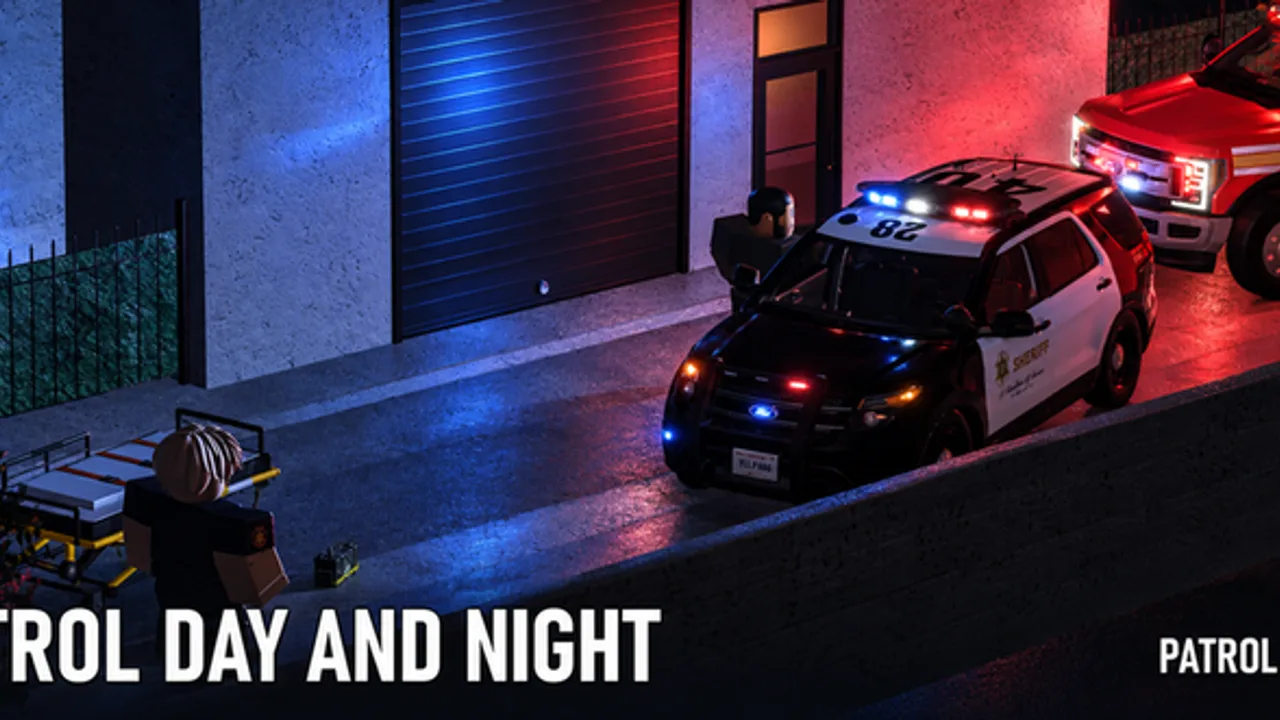
Emergency calls are the heartbeat of a Patrol Compton shift. Dispatch drops a situation, you acknowledge, you drive with the right urgency, you stabilize the scene, and you close the call so XP and badges count. This guide maps common call types on the Compton and LA-area style map, priority habits, radio discipline, safety rules, and how closing calls feeds awards such as First Call and Dependable for twenty-five completions. The game is a Roblox police RP experience by TK Interactive; when it is online, call work is the fastest way to feel like a real unit instead of a tourist in a patrol SUV.
If you still need the station, gear, and first-vehicle loop, read Getting Started. Arrests that grow out of calls are detailed in How to Arrest. Speeding and pursuit craft live in Traffic Enforcement. All how-tos are listed on the Guides Hub.
Before you take a call
Clock in / go On Duty, grab handcuffs and a taser every time, and spawn a reliable unit such as the Expedition Pursuit. Answering dispatch without gear is how calls stall on scene. Keep a rough mental map of the department so you can return for booking without GPS panic. On private servers you can still practice movement and AI traffic between calls; on public servers, listen carefully because multiple units may race the same tone.
Join community spaces when you can—the TK Interactive group and Discord at https://discord.gg/fDkUSjkXy—for etiquette on stacking calls, claiming primary, and update notices. Promo rewards that help a long grind appear on Codes. Role and pass context (including CST and Detective) continues under Players, with comparisons on the Tier List.
Common call types and how to approach them
Robbery. Treat as high urgency. Roll with lights and siren, request backup if you are alone, and expect subjects who may flee or fight. Hold a perimeter if the scene is hot, use verbal commands, and move to cuffs when control allows. Do not tunnel on loot RP while an outstanding suspect still has a gun angle.
Welfare check. Often lower urgency but high care. Arrive without creating panic, locate the subject, and confirm safety. Some welfare checks become medical or disturbance calls; stay flexible. Not every welfare check ends in arrest—document, assist, and close cleanly.
Road rage. Hybrid traffic and person crime. You may need radar-style vehicle control plus conflict de-escalation. Separate parties, watch for weapons, and be ready to cite or arrest depending on assault or reckless driving. If a vehicle flees, transition into pursuit habits from Traffic Enforcement.
Shoplifting. Usually mid priority. Coordinate with the store RP location, detain the subject with clear commands, recover property in roleplay terms, and decide on release versus booking. Keep the stop professional; crowd control matters if bystanders gather.
Active shooting. Highest risk. Call backup immediately, use cover, and prioritize stopping the threat over perfect parking. Once the scene is stable, treat casualties and outstanding suspects with the arrest checklist. Solo hero rushes get you downed and leave civilians unprotected.
Abandoned vehicle. Lower urgency investigative stop. Check the vehicle safely, watch for subjects returning, and clear traffic hazards. Some abandoned vehicle calls hide stolen cars or nearby crimes—stay curious without inventing drama.
Other tones will appear as the experience updates; apply the same template: priority, backup need, approach path, commands, and closing steps. Skim Updates after patches for new call scripts or dispatch changes.
Priority response and driving habits
Match response mode to risk. Active shooting and armed robbery deserve full emergency equipment and aggressive-but-controlled driving. Welfare checks and abandoned vehicles rarely need a cross-map siren blast that causes three AI crashes. Learn when to run silent for approach advantage and when noise clears intersections.
Park with an exit. Dead-end yourself in a cul-de-sac during a shooting call and you will regret it. Leave room for ambulance RP, backup SUVs, and a transport path to the station. After the scene, do not leave your unit blocking the only lane—other calls still need the road net.
Radio and dispatch habits
Good radio makes average officers look elite. Acknowledge the call, state when you are on scene, request backup with a clear reason, and announce transport or call clear. Keep transmissions short. Over-talking buries critical updates from units in a real fight.
On multi-unit calls, establish who is primary. Primary owns commands and booking decisions; cover owns angles and traffic. If you arrive second, ask what primary needs instead of reinventing the plan. When you leave for booking, say so so nobody assumes the scene is still staffed.
Private-server practice still benefits from speaking the radio script out loud. Muscle memory transfers to public shifts where timing matters.
Closing calls, badges, and XP
Arriving is not finishing. Close the call in the systems the game provides so progress counts. Community badge goals often highlight First Call for your initial completion and Dependable for closing twenty-five calls. Those awards reward consistency more than highlight-reel chases. Pair call closes with proper arrests when custody is required—transport and booking complete the story and feed rank XP toward promotions and supervisor goals.
Between calls, mix proactive traffic enforcement so your shift never idles. Radar sets keep you sharp while you wait for the next tone. Game passes such as CST or Detective can specialize later loops, but call volume and clean closes remain the backbone of early progression.
Scene safety rules that save shifts
- Never take a violent call without confirming handcuffs and taser
- Call backup early on shootings, armed robberies, and multi-subject fights
- Use cover; do not stand in doorways silhouetted against light
- Watch hands before you watch dialogue
- Convert resistance into the arrest chain instead of endless fist RP
- Book when custody is required; then re-gear and return to service
- If the experience is offline for Roblox moderation, wait for restoration rather than forcing broken joins
Suggested call-response checklist
- On Duty, geared, mobile
- Acknowledge dispatch and navigate with correct urgency
- On-scene radio mark, backup if needed
- Verbal commands and control
- Arrest and transport when the call demands custody
- Booking at the station
- Close the call for badge and XP credit
- Reset gear and listen for the next tone
Deepen custody skills in How to Arrest, sharpen vehicle stops in Traffic Enforcement, and mentor rookies with Getting Started. Track roster and pass goals via Players, watch patch notes on Updates, and treat Scripts with caution under Roblox rules. When in doubt, slow the scene down: clear radio, clear hands, clear booking—then take the next emergency call like a Dependable unit.
Frequently Asked Questions
Quick answers to the most common Patrol Compton questions.
What call types should new officers expect?
Common tones include robbery, welfare check, road rage, shoplifting, active shooting, and abandoned vehicle. Priority and backup needs change with each type.
How do First Call and Dependable badges work?
First Call typically rewards your initial closed call. Dependable is commonly tied to closing twenty-five calls. Consistency and proper call completion matter more than flashy chases.
Should every emergency call end in an arrest?
No. Welfare checks and some abandoned vehicle or minor incidents may end without custody. Arrest when the facts and RP call for it, then book properly.
When should I use lights and siren?
Use full emergency response for high-risk calls such as active shootings and armed robberies. Lower-priority checks often need calmer, safer driving without creating new crashes.
What radio updates matter most?
Acknowledge the call, mark on scene, request backup with a reason, announce transport, and clear the call when finished. Keep each transmission short.
Where do I learn arrests and traffic after a call escalates?
Use How to Arrest for cuff-to-booking steps and Traffic Enforcement when a call turns into speeding stops or pursuits. Return here for dispatch and closing habits.